Training Your Dog for Austin's Weather and Terrain
General training information. For aggression, sudden behavior changes or health concerns, see your veterinarian first.
Austin is a great place to have a dog. It is also a place where July pavement, a surprise freeze and a lake that looks inviting can all cause real trouble. Good Austin dog safety is part gear, part judgment and part training.
This guide walks you through teaching skills that make hard weather and tricky terrain easier on your dog. Everything here is reward-based, in line with the American Veterinary Society of Animal Behavior (AVSAB). That means treats, praise and patience, never force.
What You Will Need
- A secure harness or flat collar and a standard leash
- Small, soft treats your dog loves, in a pouch you can reach quickly
- Fresh water and a collapsible bowl for every outing
- A towel for drying and wiping paws
- A clean, damp cloth or cool (not icy) water for cooling routines
- Optional: dog booties, if your dog will learn to accept them
- A few minutes a day and a calm, positive attitude
Know the Austin Hazards First
The City of Austin Animal Services weather safety page and local reporting document three hazards that matter most for training here: summer heat and hot pavement, freezing weather, and toxic algae in Lady Bird Lake. Each one has a training skill that helps.
If you want a trainer's help with any of these skills, our guide to dog training in Austin, including classes, costs and how to choose is a good place to start.
Step 1: Build a Reliable Cooling and Heat Routine
City of Austin Animal Services advises limiting exercise on hot days, giving outdoor pets shade, sun protection and cool water, and never leaving a pet in a car, even with the windows down. It also notes that very old and very young dogs, overweight dogs, dogs with heart or respiratory disease, and short-muzzled breeds are at higher risk.
Training can make all of this easier. Here is how to teach it.
- Teach a "settle on the mat" cue. Place a mat in a cool, shaded spot. Reward your dog for stepping on it, then for lying down, then for staying a little longer. Practice for a few minutes a day. A dog who can settle on cue is easier to rest in the shade during a walk or a patio stop.
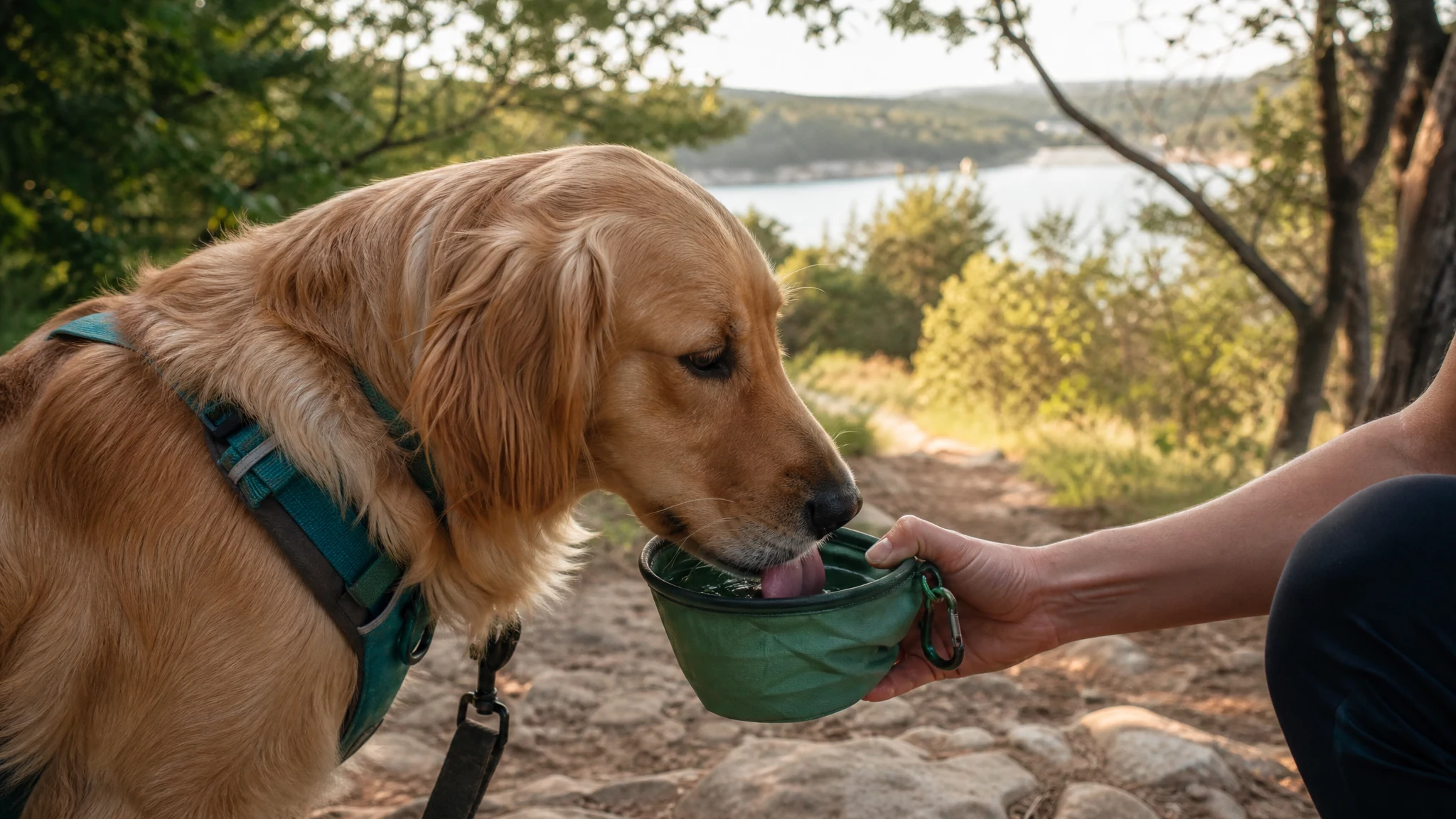
- Make water breaks a game. Offer water at the start of a walk and again at every pause. Say a cue word such as "drink," then reward when your dog laps from the bowl. Dogs who are used to water breaks are simpler to manage on warm days.
- Practice a cooling routine at home. Pair a damp cloth on the chest and belly with treats and calm praise. Keep sessions short and relaxed. If your dog ever seems overheated, a cool wipe-down is not a substitute for veterinary care.
- Plan the walk, not just the dog. Because the city advises limiting exercise on hot days, shift longer outings to the coolest part of the day, keep them shorter, and swap in indoor games such as scent work, trick training or puzzle feeders.
When you are walking a dog in heat, watch for heavy panting, slowing down, drooling or reluctance to keep going. Stop, move to shade, offer water and head home. Excessive panting, collapse, vomiting or wobbliness is an emergency. Call a veterinarian right away.
Step 2: Train Around Hot Pavement
The city's weather safety guidance warns that pavement can quickly burn a dog's paw pads. Hot pavement dogs face is one of the easiest Austin dangers to prevent, because you control the route.
- Do the hand test. Press the back of your hand to the surface. If it is uncomfortable for you to hold there, it is too hot for paws. The test is a rough guide, so when in doubt, pick another surface or another time of day.
- Teach "this way." Practice a cue that means "follow me to the grass or shade." Reward your dog every time they turn and join you. Over time, you can steer around sunny blacktop with a cheerful word instead of a tug.
- Practice paw handling. Touch one paw for a second, then treat. Build up to holding a paw, spreading the toes and looking between the pads. This makes checking for burns, cuts and debris far less stressful, and it helps if you ever need to treat or bandage a paw.
- Introduce booties slowly, if you choose to use them. Let your dog sniff one, then treat. Touch it to a paw, then treat. Put one on for a few seconds, then treat and remove it. Work up to all four feet over several days. Many dogs need time to walk normally in them, so rushing can backfire.
If your dog's pads look red, blistered, raw or peeling, or your dog is limping or licking a paw, call your veterinarian.
Step 3: Prepare for Freezing Weather
Austin does not freeze often, but when it does, many dogs and owners are unprepared. City of Austin Animal Services advises bringing pets inside, keeping walks short, checking paws for ice balls, and watching for shivering, lethargy and frostbite on the ears and tails.
- Use your paw-handling skills. After a cold walk, calmly check between the toes for ice balls. A dog who is comfortable with paw checks will let you do this quickly.
- Teach a quick potty routine. Choose a spot close to the door and use a cue word. Reward as soon as your dog goes, then head back in. This keeps cold outings short.
- Add indoor exercise. Practice recall down a hallway, play find-it with treats or work on tricks. Mental work helps burn off energy when long walks are off the table.
- Know the warning signs. Shivering, lethargy or discolored, painful ears and tail tips mean it is time to warm up indoors and call a veterinarian.
Step 4: Teach "Leave It" and Recall Around Water
In August 2019, KUT public radio reported that city officials told residents to keep pets out of Lady Bird Lake after dogs died and preliminary tests pointed to blue-green algae, which can release a neurotoxin. The advice was to bathe a dog immediately if it enters the water and to see a veterinarian for symptoms such as excessive drooling, vomiting or diarrhea.
That was a 2019 event, and we cannot confirm whether any advisory is active now. Check with the City of Austin before letting your dog swim in any local water, and treat water that looks scummy or discolored with caution.
Two skills help most here.
- Teach "leave it." Hold a treat in a closed fist. When your dog stops pushing, say "yes" and reward from your other hand. Next, put a treat on the floor under your hand, then uncovered. Gradually move to real distractions such as a puddle's edge. Always reward from your hand, not from the thing you asked your dog to leave.
- Build a happy recall. Start indoors. Say your dog's name and a recall word in a cheerful voice, then reward with something special when they arrive. Move to the yard, then to a long line outdoors. Never call your dog to scold them, or the cue will lose its power.
If your dog does get in the water, rinse them off promptly and watch closely. Call a veterinarian if you see drooling, vomiting, diarrhea or any unusual behavior.
Step 5: Follow Austin's Leash and Park Rules
Austin City Code section 3-4-1, as quoted by the Austin Chronicle, requires an owner or handler to keep a dog under restraint, with exceptions for the public areas listed in section 3-4-4. City of Austin Parks and Recreation lists designated off-leash areas, and the city says dogs should be leashed to and from those areas, kept within sight and sound control, and have a current rabies vaccination. Owners must clean up waste.
The city's Trail Directory lists off-leash trails at Mary Moore Searight Metro Park and Emma Long Metro Park, and the Austin Parks Foundation lists areas such as Walnut Creek Metropolitan Park, Red Bud Isle and Auditorium Shores. The Emma Long park page says pets must stay on leash, so confirm posted rules at each location before you let your dog off leash. Rules and hours for some areas were not published on the pages we reviewed, so check with the City of Austin Parks and Recreation Department.
City ordinance also prohibits tethering dogs within Austin city limits. In summer, that is one more reason to keep dogs inside or in a safe, shaded, secure space rather than tied out.
Tips for Success
- Keep training sessions to a few minutes. Short and happy beats long and frustrating.
- Practice new skills in low-distraction places first, then add difficulty.
- Use treats your dog truly values for outdoor practice, since the outdoors is full of competition.
- Carry water every time, even on a short walk.
- Walk early in the morning or after sunset in summer, and plan indoor games for the hottest hours.
- Stay relaxed. Dogs pick up on our stress.
Common Mistakes to Avoid
- Assuming a short trip is safe. The city advises never leaving a pet in a car, even with the windows down.
- Skipping the surface check. Pavement can be hot long after the air feels bearable.
- Forcing booties or paw handling. Pressure can create fear. Go slowly and reward small steps.
- Using punishment-based tools or methods. Shock, prong and choke collars, scruffing and dominance methods are not part of humane training and can harm trust and welfare.
- Letting your dog drink or swim in questionable water. If you are unsure, skip it.
- Ignoring early warning signs. Heavy panting, slowing down or shivering means it is time to stop.
What Results to Expect
With regular, positive practice, many dogs become more comfortable with paw checks, respond better to a leave-it or recall cue, and settle more easily during rest breaks. Progress varies a lot with age, temperament and history, so some dogs will take weeks and others longer. These skills can make hot, cold and watery situations easier to manage, but they do not remove the risk. Your judgment about the weather still comes first.
When to Get Professional Help
Any sign of heatstroke, frostbite, burned paws or possible algae exposure needs a veterinarian. If your dog shows aggression toward people, see a veterinarian first and then work with a certified behavior professional.
If you want a trainer, the CCPDT Certified Dog Trainer Directory lets you look up credentialed trainers in Austin. Always check a trainer's credentials and methods yourself, and make sure they use humane, reward-based training.
Sources
- City of Austin Animal Services, Weather safety for pets
- KUT public radio, Austin officials advise keeping pets out of Lady Bird Lake (August 5, 2019)
- City of Austin Parks and Recreation, Dog Parks: Off-Leash Areas
- City of Austin Parks and Recreation, Trail Directory
- Austin Chronicle, The Common Law
- Austin Parks Foundation, Parks for Pups
- City of Austin, Austin Animal Services, Animal Protection
- CCPDT Certified Dog Trainer Directory